
How to Evaluate a Spice Supplier Before Procurement
A Practical Guide for Importers, Food Manufacturers & Spice Buyers
Published by VT Agro Foods
When sourcing spices for food manufacturing, private label brands or ingredient distribution, choosing the right supplier involves much more than comparing prices.
A reliable supplier should consistently deliver export-quality spices, maintain strong quality systems, provide transparent documentation and demonstrate an understanding of international food safety requirements.
Whether you are sourcing turmeric, cumin, ginger, red chilli or other Indian spices, selecting the right procurement partner can reduce supply chain risks, improve product consistency and simplify compliance with destination market requirements.
This guide explains the key factors procurement teams should evaluate before approving a spice supplier.
Why Supplier Evaluation Matters
The global spice trade has become increasingly quality-driven.
Today, buyers are expected to manage:
- Food safety risks
- Regulatory compliance
- Supply chain transparency
- Product consistency
- Documentation requirements
For companies importing spices from India, evaluating suppliers before procurement helps reduce commercial risk while improving long-term supply reliability.
A well-qualified supplier should not only provide competitive pricing but also demonstrate the systems required to support consistent product quality.
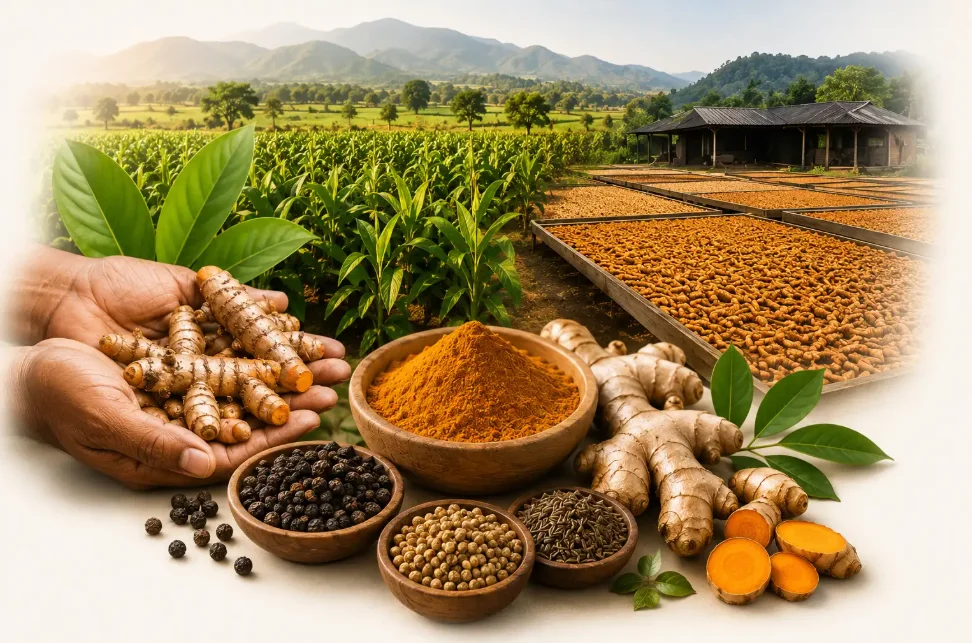
1. Start at the Source
Every spice begins at the farm.
The growing region, climate, cultivation methods and harvesting practices all influence the quality of the final product.
Before procuring a spice lot, buyers should evaluate:
- Cultivation practices
- Region of origin
- Harvest maturity
- Post-harvest handling
- Supplier experience
Understanding where and how a spice is produced provides valuable insight into its consistency, colour, aroma and overall quality.
For companies sourcing Indian turmeric, cumin, ginger or chilli, evaluating the source is often the first step in building a reliable supply chain.
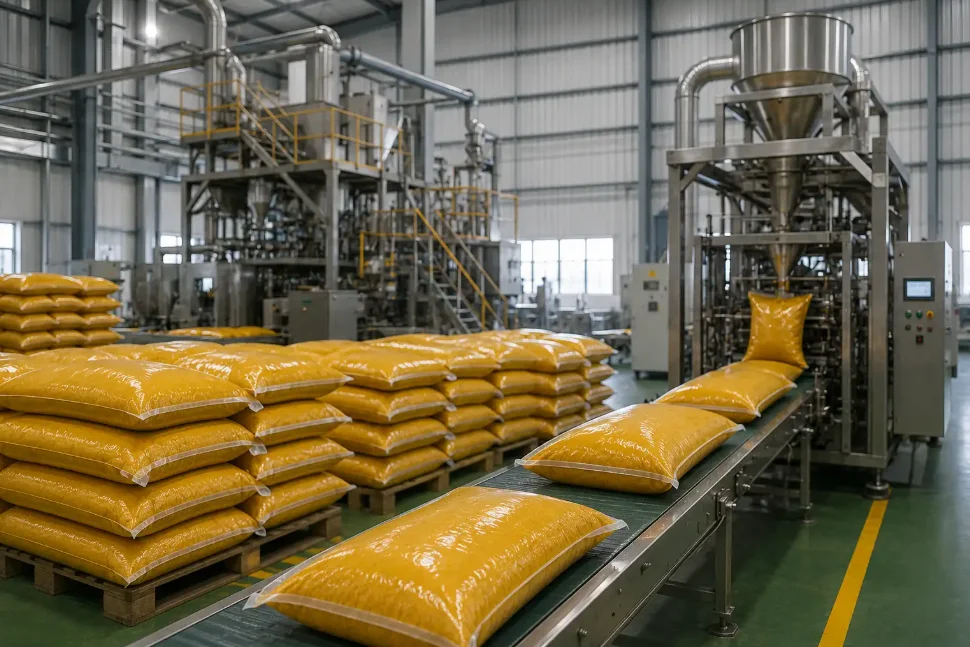
2. Assess Processing Standards
Even excellent raw material can lose its value if processing standards are inconsistent.
Reliable spice processors should maintain documented procedures for:
- Cleaning and sorting
- Drying
- Grinding (where applicable)
- Hygiene
- Storage
- Packaging
Consistent processing reduces variability between batches and helps ensure spices meet agreed customer specifications.
For food manufacturers and ingredient buyers, consistency is often just as important as price.
3. Evaluate Laboratory Testing Capabilities
International buyers increasingly expect products to be supported by laboratory testing.
Depending on customer and destination country requirements, testing may include:
- Pesticide Residues
- Heavy Metals
- Salmonella
- E. coli
- Aflatoxins
- Sudan Dyes
- Ethylene Oxide
- Moisture
- Ash Content
- Acid Insoluble Ash
Independent laboratory testing provides objective evidence that products meet customer specifications and applicable food safety requirements.
It also helps buyers manage regulatory risks associated with importing spices into Europe, the Middle East and other international markets.
4. Documentation Reflects Professionalism
Reliable suppliers should be able to support every shipment with clear and accurate documentation.
Common export documentation includes:
- Certificate of Analysis (COA)
- Product Specification Sheet
- Certificate of Origin
- Phytosanitary Certificate
- Packing List
- Commercial Invoice
In addition, suppliers should maintain batch records and traceability documentation that enable every lot to be tracked throughout the supply chain.
Strong documentation simplifies customs clearance and improves buyer confidence.
5. Communication Is Part of Quality
Supplier performance is not measured only by the product itself.
It is also reflected in how suppliers communicate.
Procurement teams should consider whether a supplier:
- Responds promptly
- Provides complete information
- Shares laboratory reports when requested
- Clearly communicates production timelines
- Maintains transparency throughout the sourcing process
Reliable communication helps prevent misunderstandings and builds stronger long-term partnerships.
6. Consistency Builds Long-Term Partnerships
Many sourcing challenges arise not from one poor shipment but from inconsistent performance over time.
Before approving a supplier, buyers should assess whether they can consistently deliver:
- Uniform quality
- Stable specifications
- Timely deliveries
- Responsive service
- Reliable documentation
Long-term partnerships are built on predictability and trust—not occasional success.
Procurement Is About Reducing Risk
Successful procurement is about far more than purchasing a product.
It is about selecting suppliers with the right systems, processes and commitment to quality.
At VT Agro Foods, we believe reliable sourcing begins long before export. Every procurement decision is guided by supplier evaluation, quality assurance and a focus on building long-term partnerships with both suppliers and customers.
As global food safety expectations continue to evolve, choosing suppliers who prioritise quality, compliance and transparency has never been more important.
Final Thoughts
The best export shipments don’t begin at the port.
They begin with informed sourcing decisions.
Whether you are importing turmeric, cumin, ginger, chilli or other Indian spices, taking the time to evaluate farms, processors and quality systems can significantly reduce procurement risks while supporting consistent, high-quality supply.
For procurement teams, supplier evaluation is not an administrative exercise—it’s the foundation of a resilient supply chain.